A Reporter Once Called Me "A Reasonably Nice Guy"
A reporter once called me "a reasonably nice guy" right before writing that my team was hiding something from the public. He wasn't wrong to be suspicious.
November 30, 2012: a train derailed off the East Jefferson Street bridge in Paulsboro, NJ, breaching tank cars and spilling vinyl chloride into the surrounding neighborhood in the early morning fog.
The first message called it "non-toxic." Reverse-911 alerts were subscription-only and couldn't be geo-targeted. Nobody had explained what "shelter-in-place" meant. By the time our Joint Information Center was running, the town wasn't just scared, it was confused, and getting angry at us.
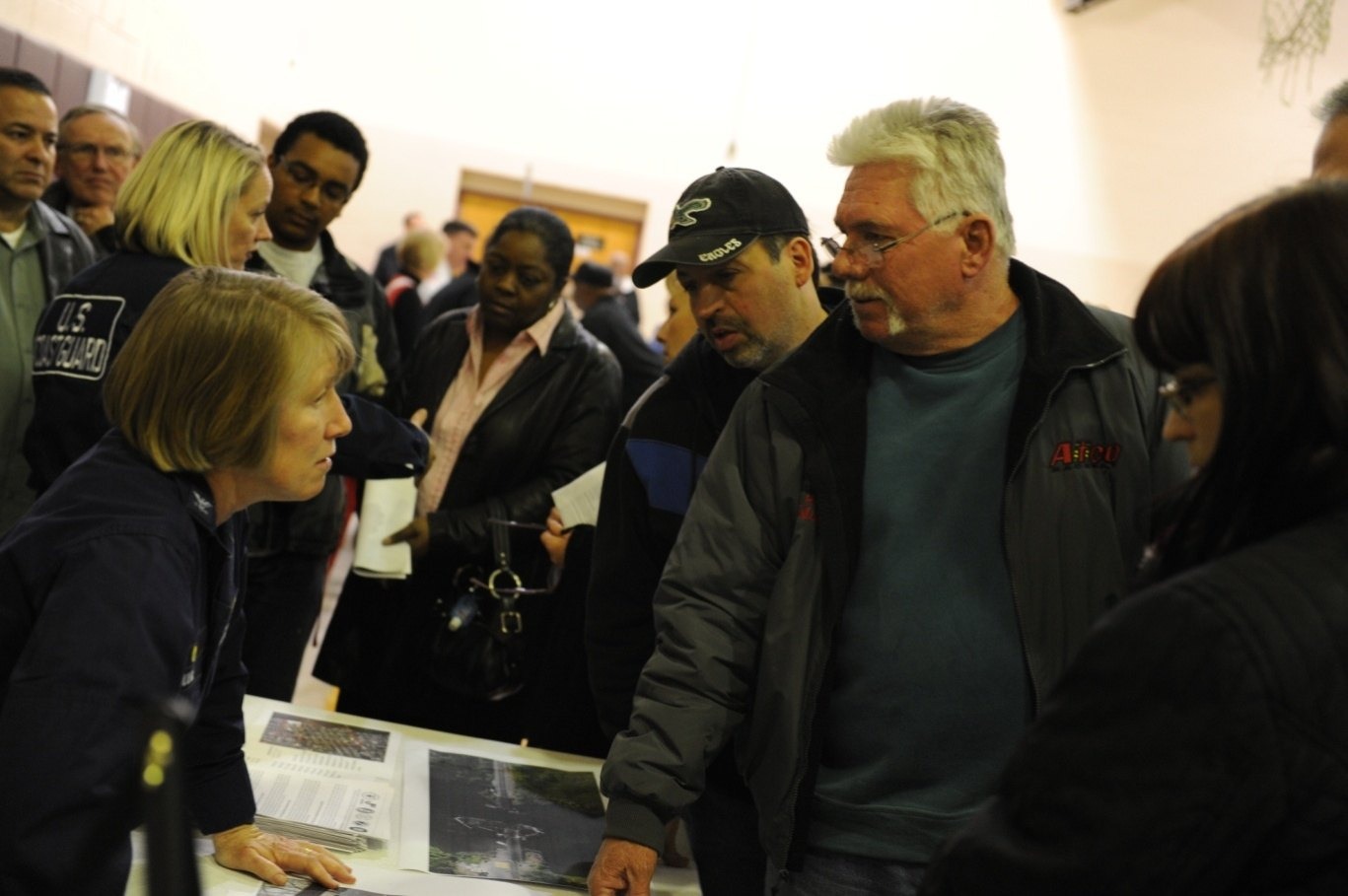
Unified Command asked us to host a community meeting. We designed an open-house format at a high school in Gibbstown; booths, one-on-one conversations, no speeches. Then Unified Command tried to bar media from attending.
I'd spent the day talking to the reporter who wrote that "reasonably nice guy" line, right before reporting we were locking media out. He was right to push. An hour before the event, we finally convinced Unified Command that keeping media out would look exactly like a cover-up.
What we didn't know: the railroad had bussed evacuees to the site an hour early. They arrived furious, walked past our booths, and lined up chairs facing the podium we'd only planned to use for a two-minute welcome.
The mayor spoke. The Coast Guard captain spoke next, her mic got stepped on by 700 phones, so she kept going without it, and the crowd quieted to actually listen. Then a state representative got up. That was never part of the plan, and the crowd turned on him fast enough that the police chief told me to end it before they did.
We cut it short and pushed people to the booths. Half the crowd left angrier than they'd arrived. The half who stayed got what they came for, including a mother who pulled me aside with medical questions for her kids. I listened, found the right person, and walked her over myself. She thanked me on her way out. That was the rest of the night: real answers, one at a time.
Evacuation orders lifted December 7th. A final town hall on the 11th showed the trust gap hadn't closed.
Here's what I keep coming back to: my team had argued against holding any large public meeting, pushing instead for door-to-door and small-group outreach. We were right, the meeting became the story. But we didn't have the final call, and the parts of that night that worked looked nothing like a meeting.
The reporter wasn't wrong to push on transparency. We just needed to prove it, not tell him.
Post a comment